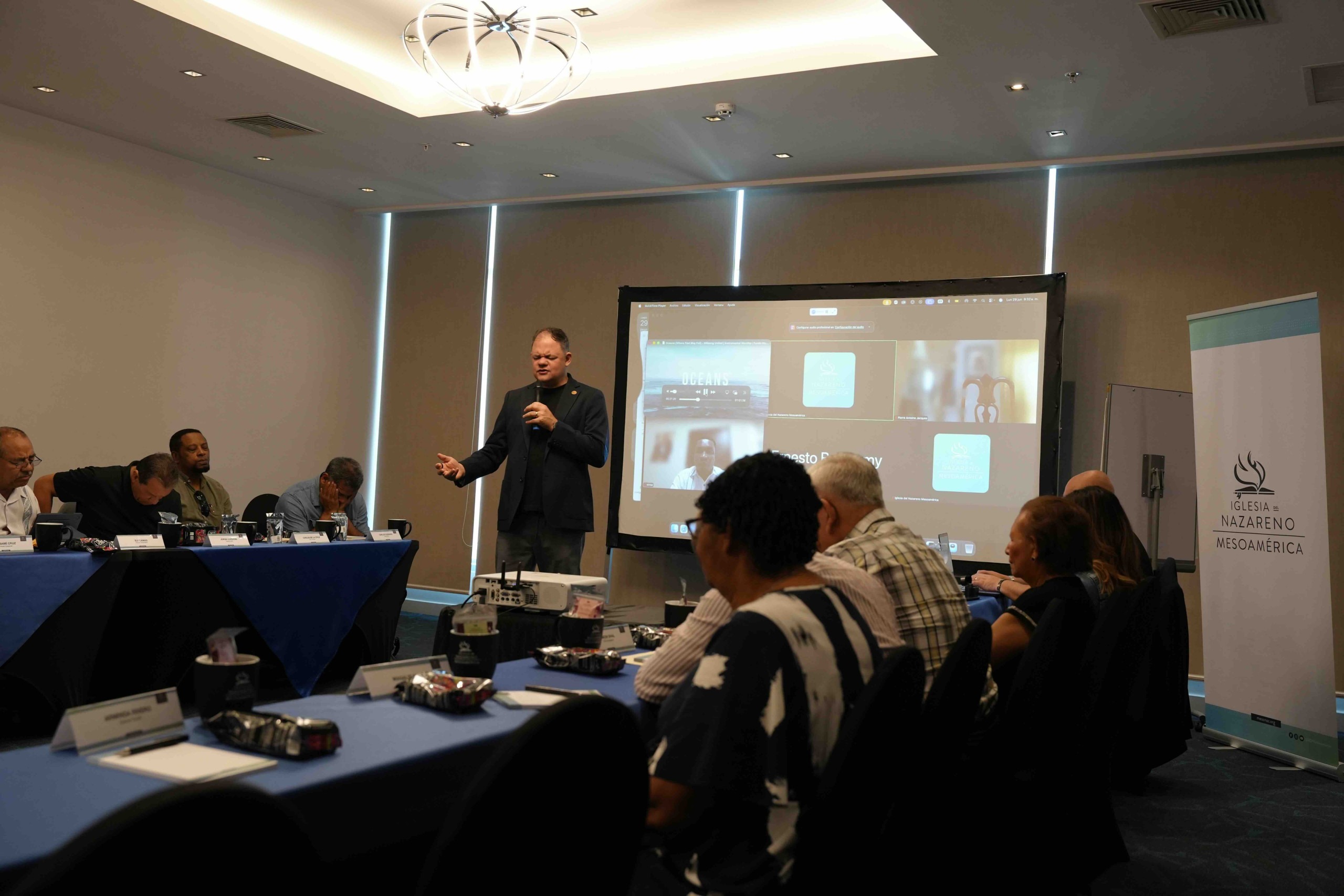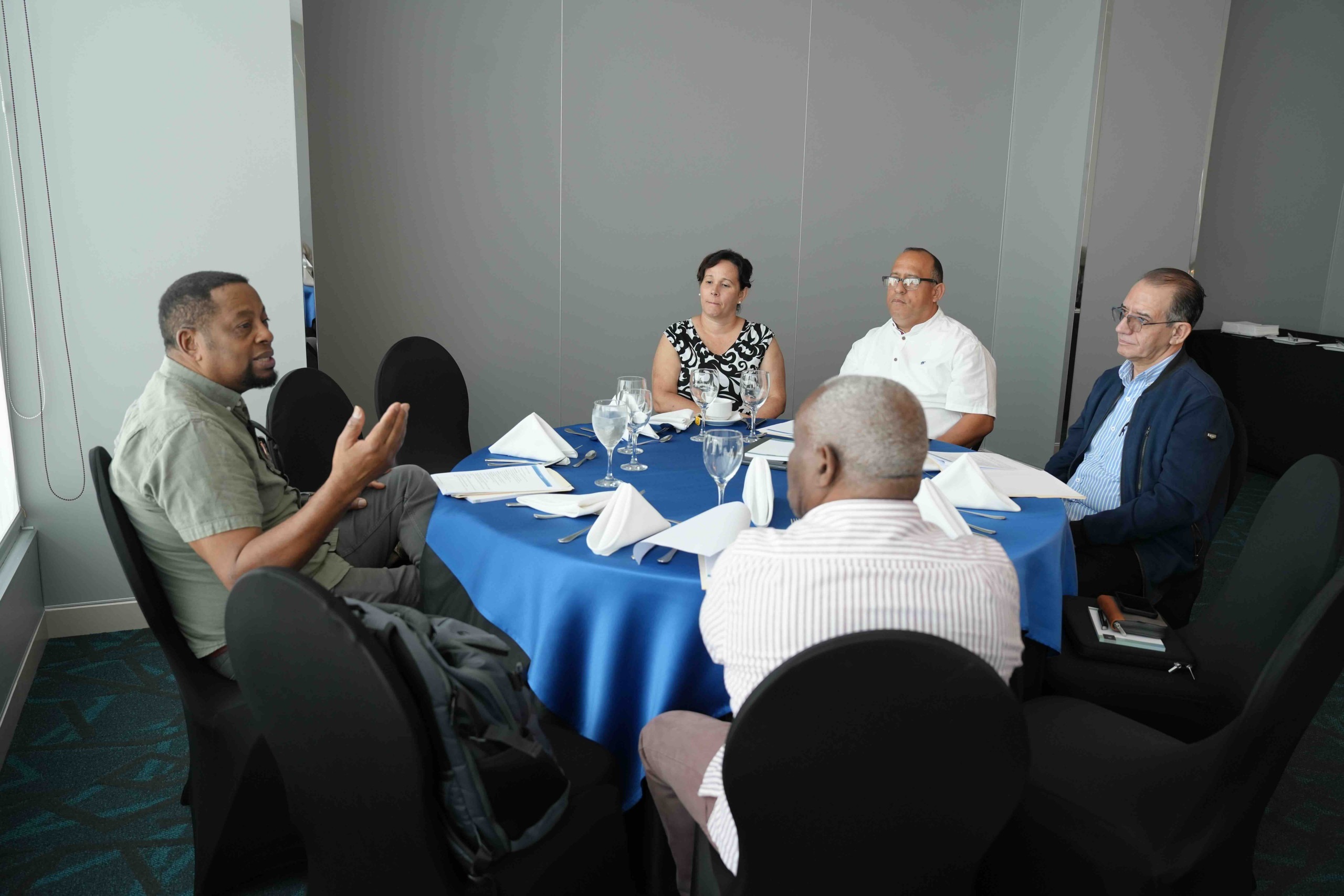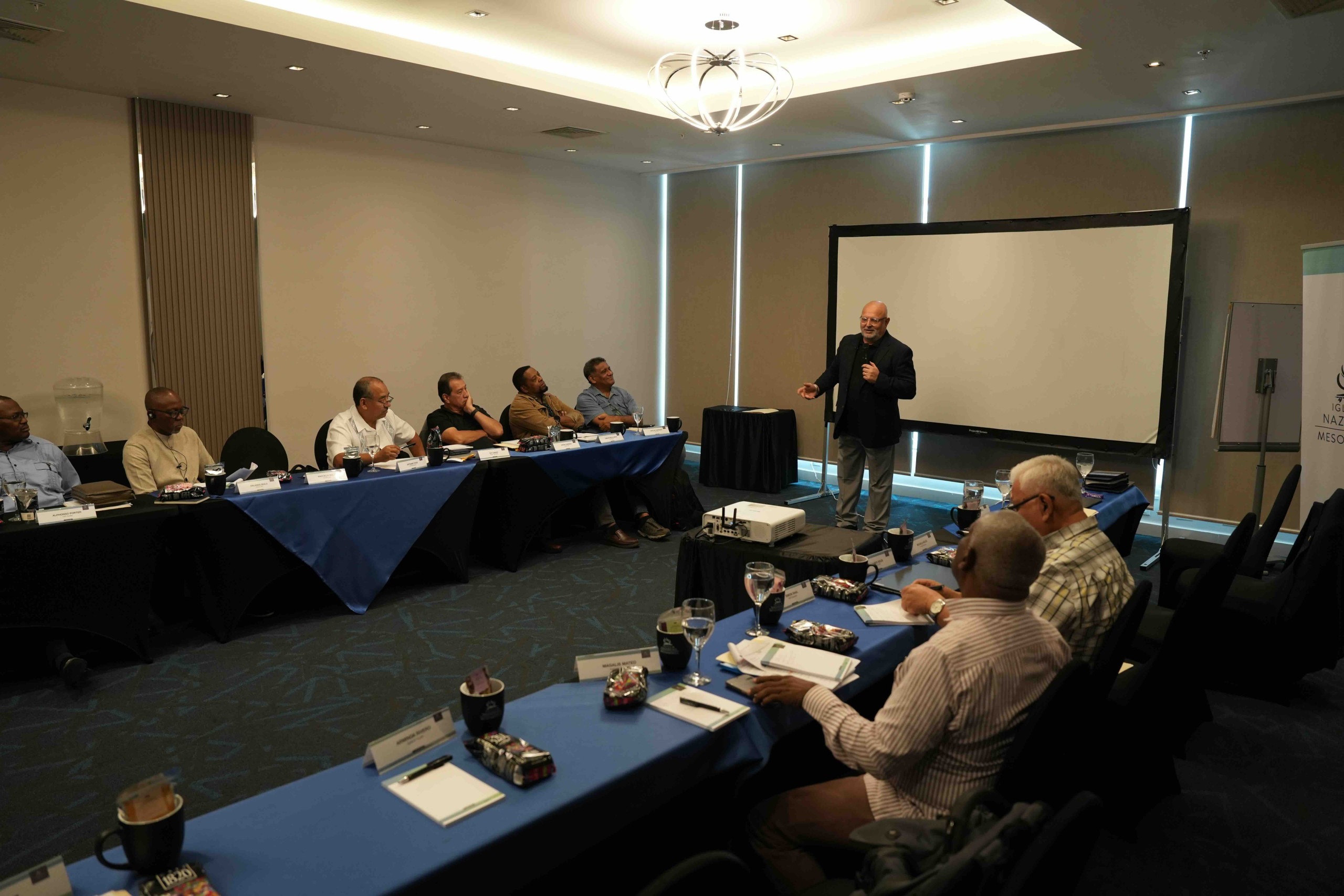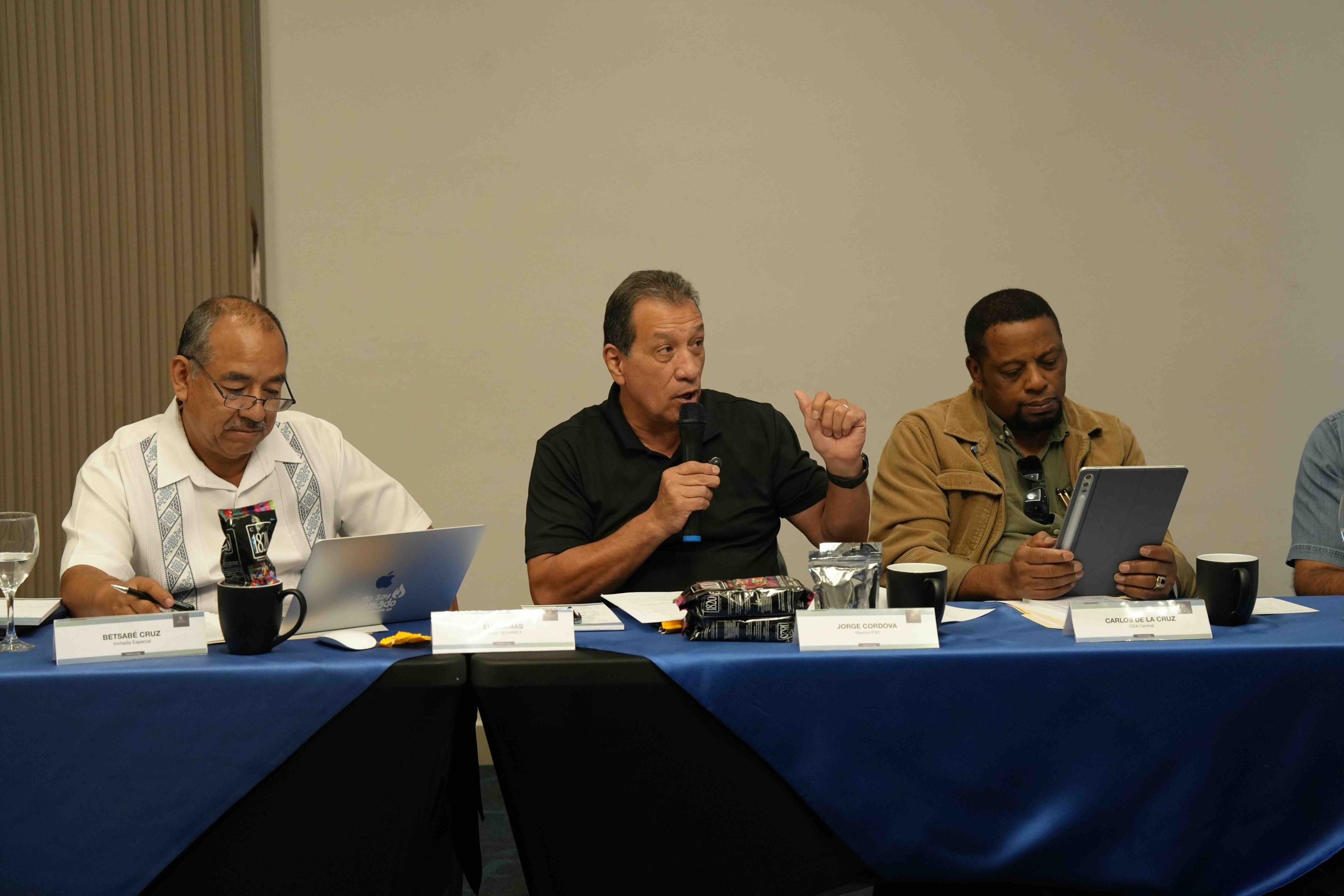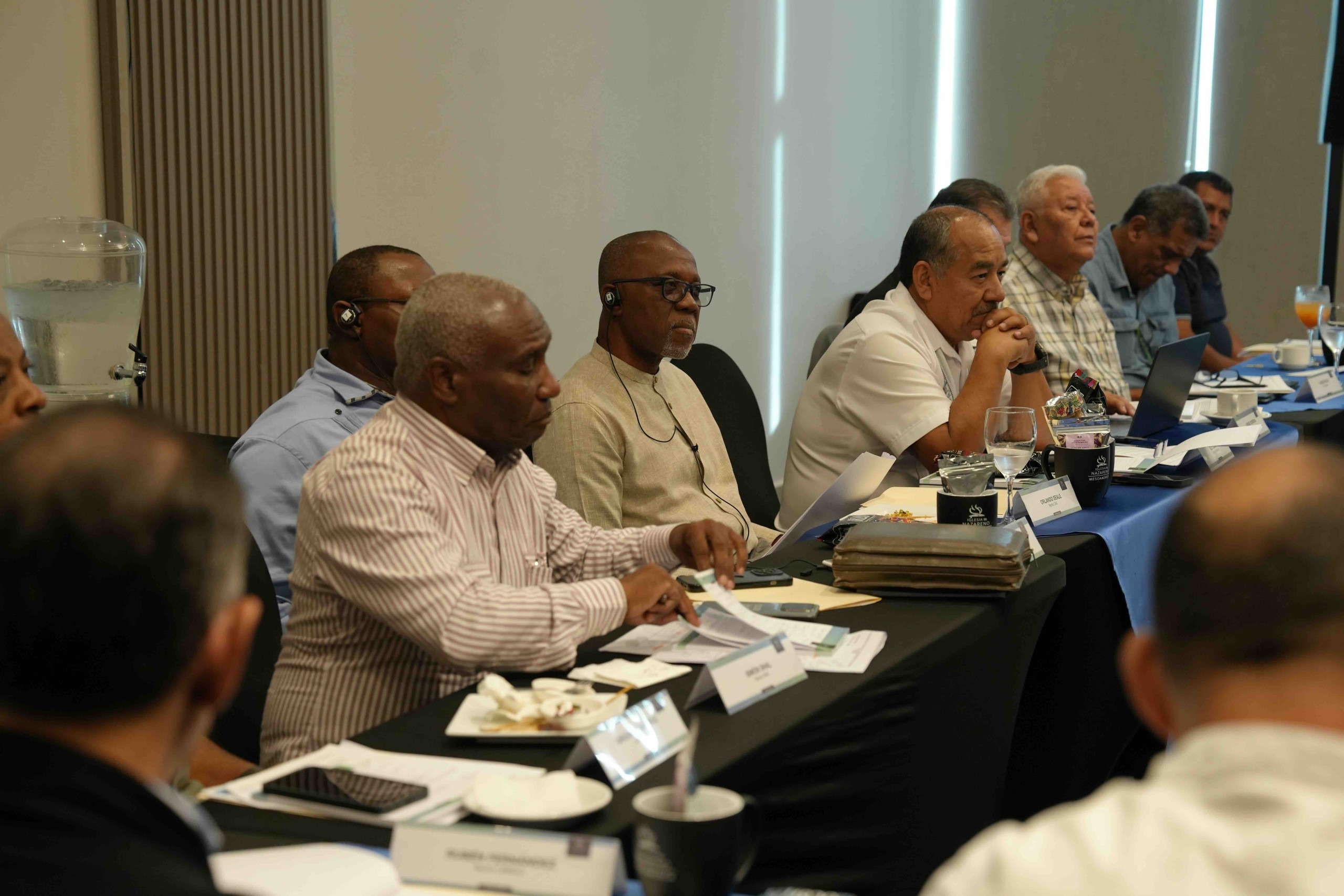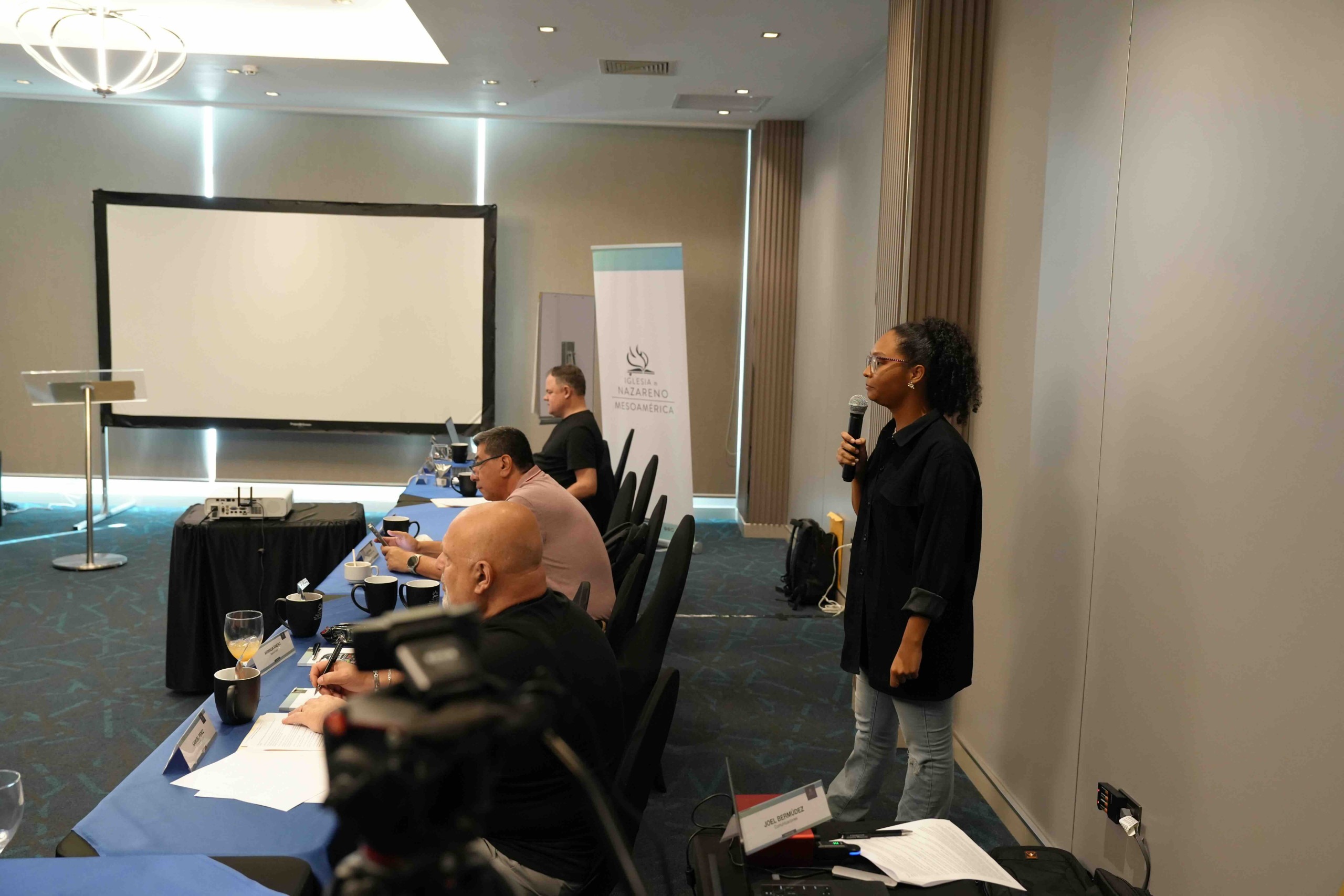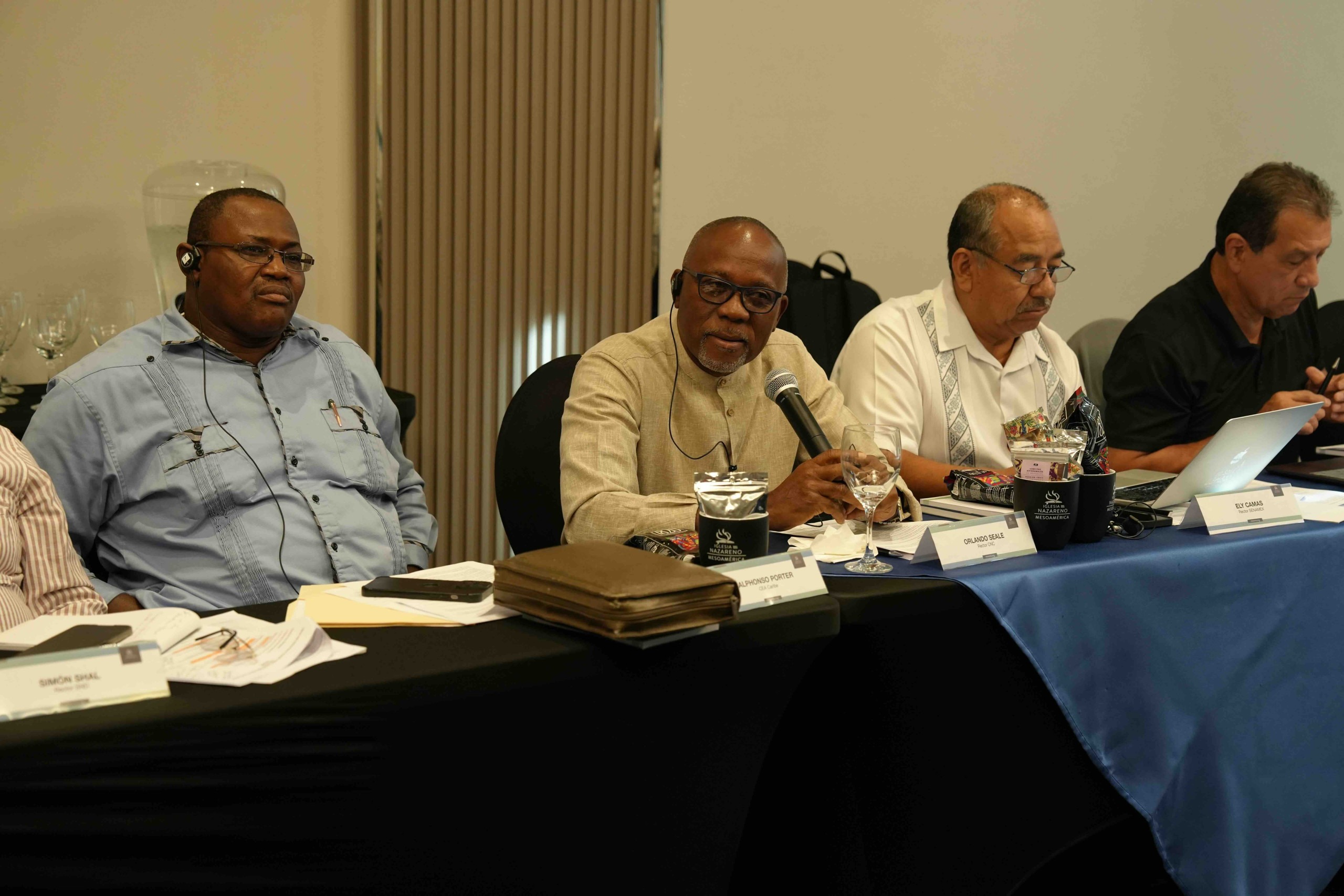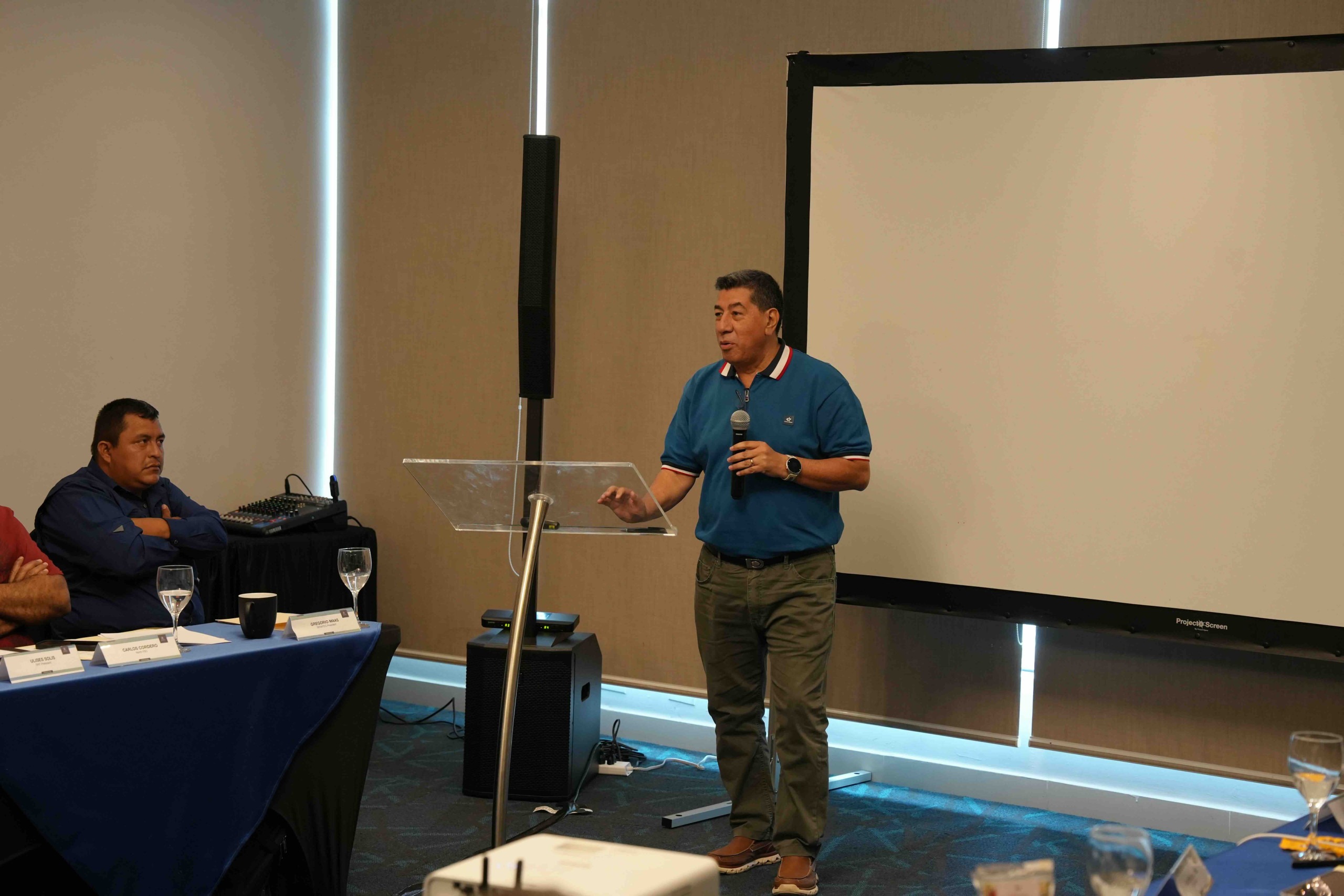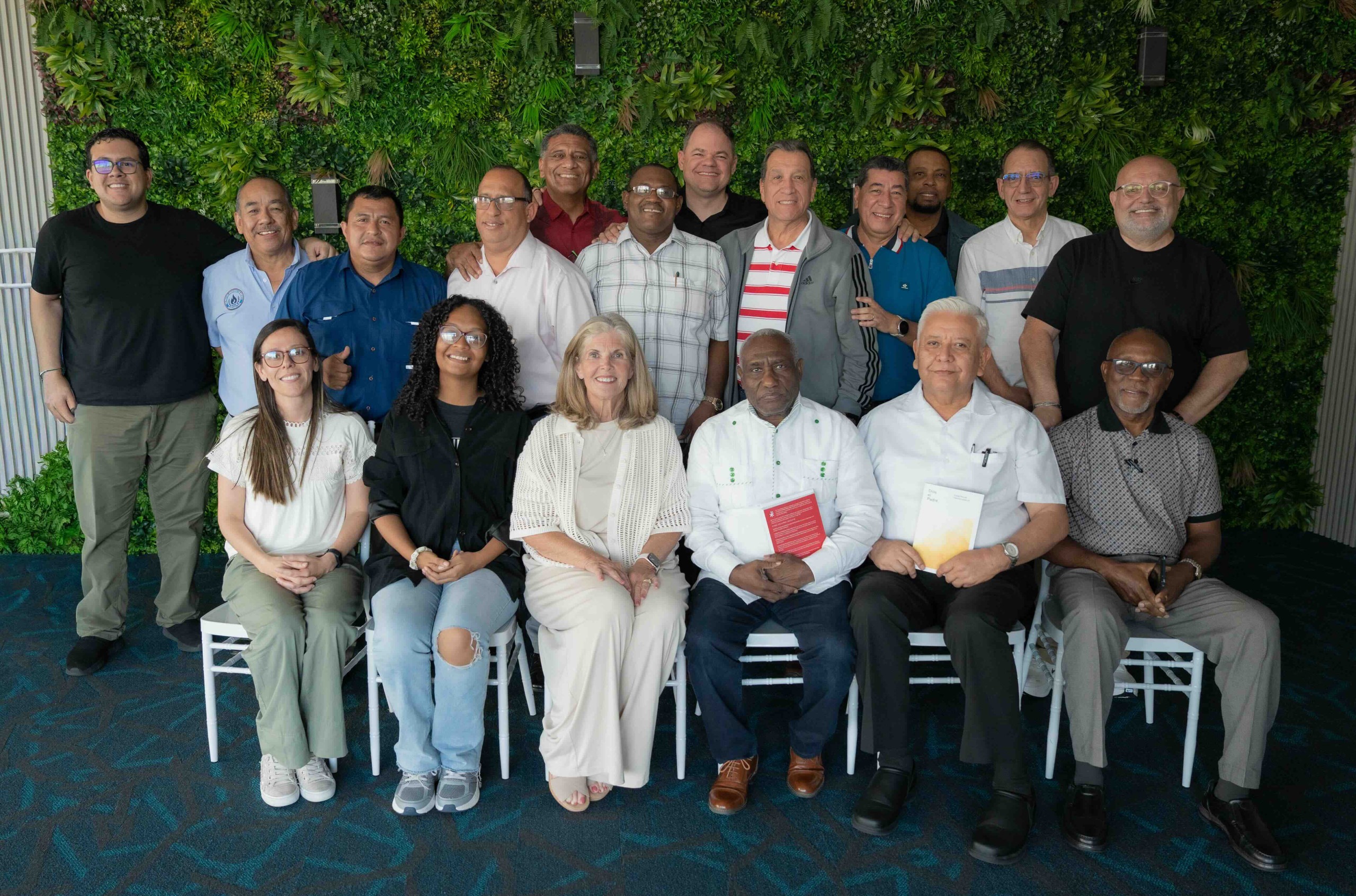
Field Strategy Coordinators, the regional director, and presidents from eight Mesoamerica institutions discussed the regional vision, the formation of new leaders, and collaborative work. After the meetings, the presidents and their spouses participated in a retreat focused on holistic renewal.
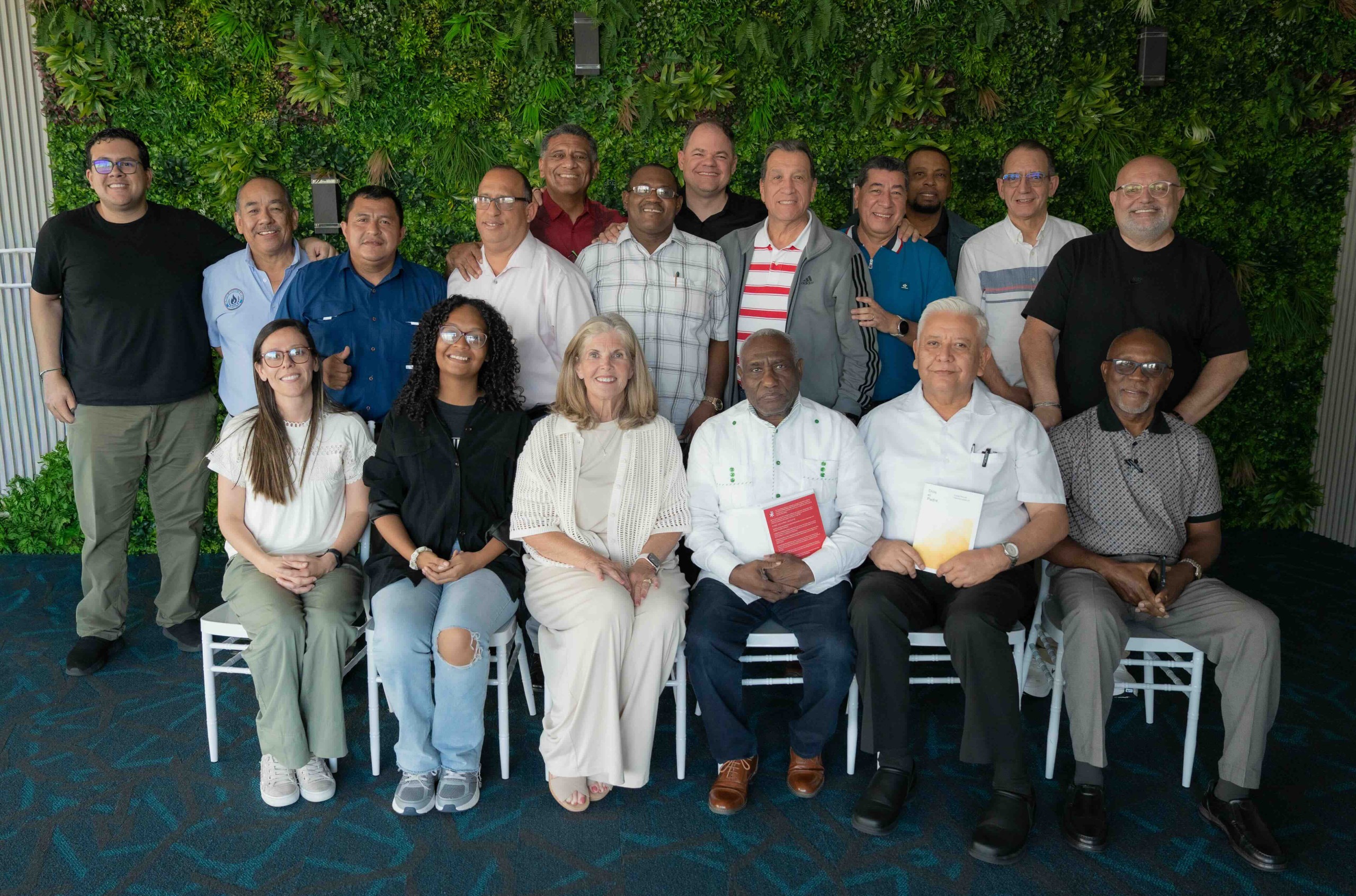
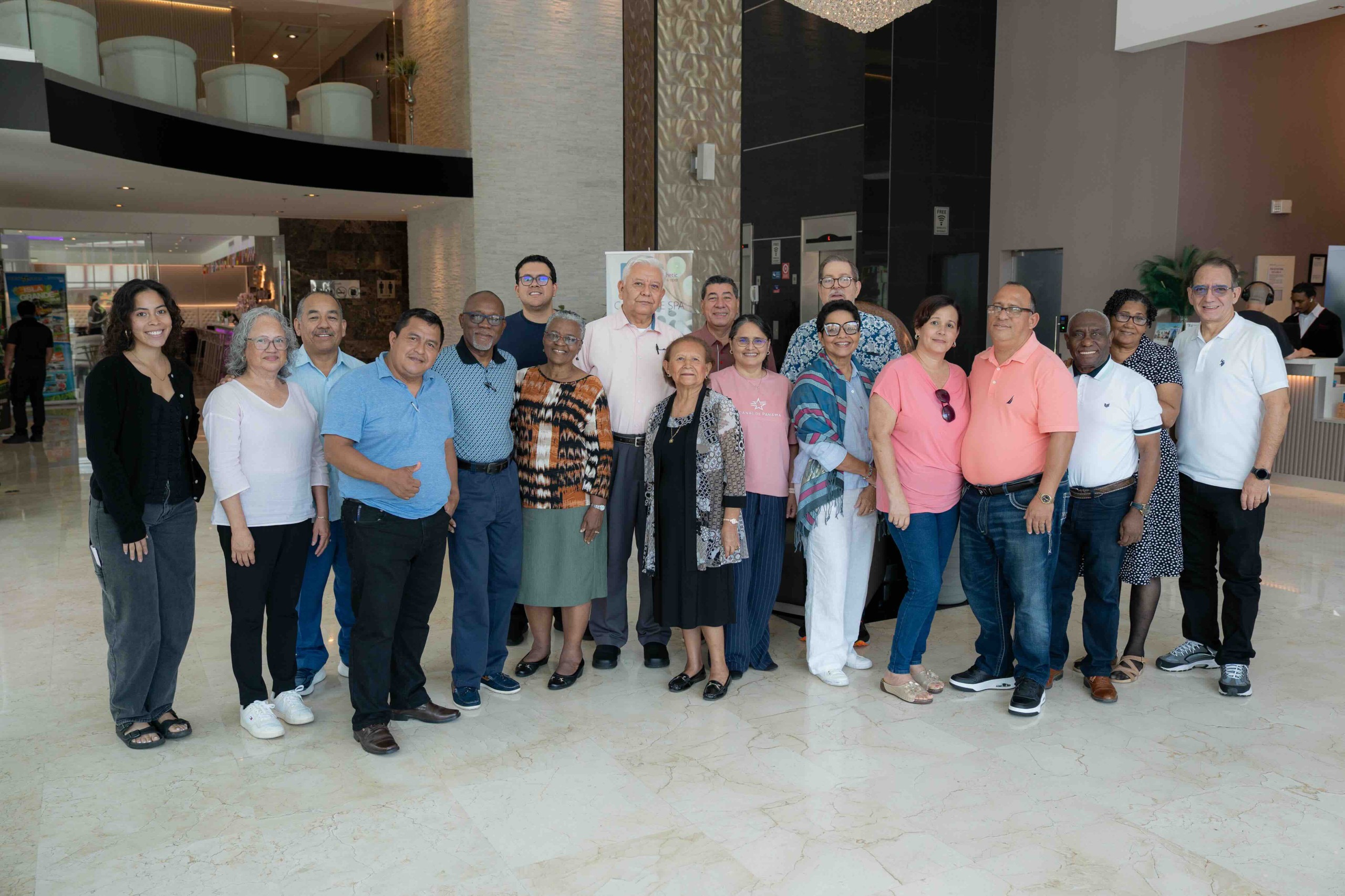
From June 29 to July 2, two consecutive activities were held in Panama City, Panama. On June 29 and 30, the institution presidents met with the Field Strategy Coordinators (FSCs) and Regional Director Rev. Jimmy De Gouveia. Then, on July 1 and 2, the presidents and their spouses participated in a spiritual retreat.
The meetings included representation from all eight theological education institutions in the Mesoamerica Region. Seven presidents attended in person, while one participated virtually.
Collaborative Work to Strengthen Theological Education
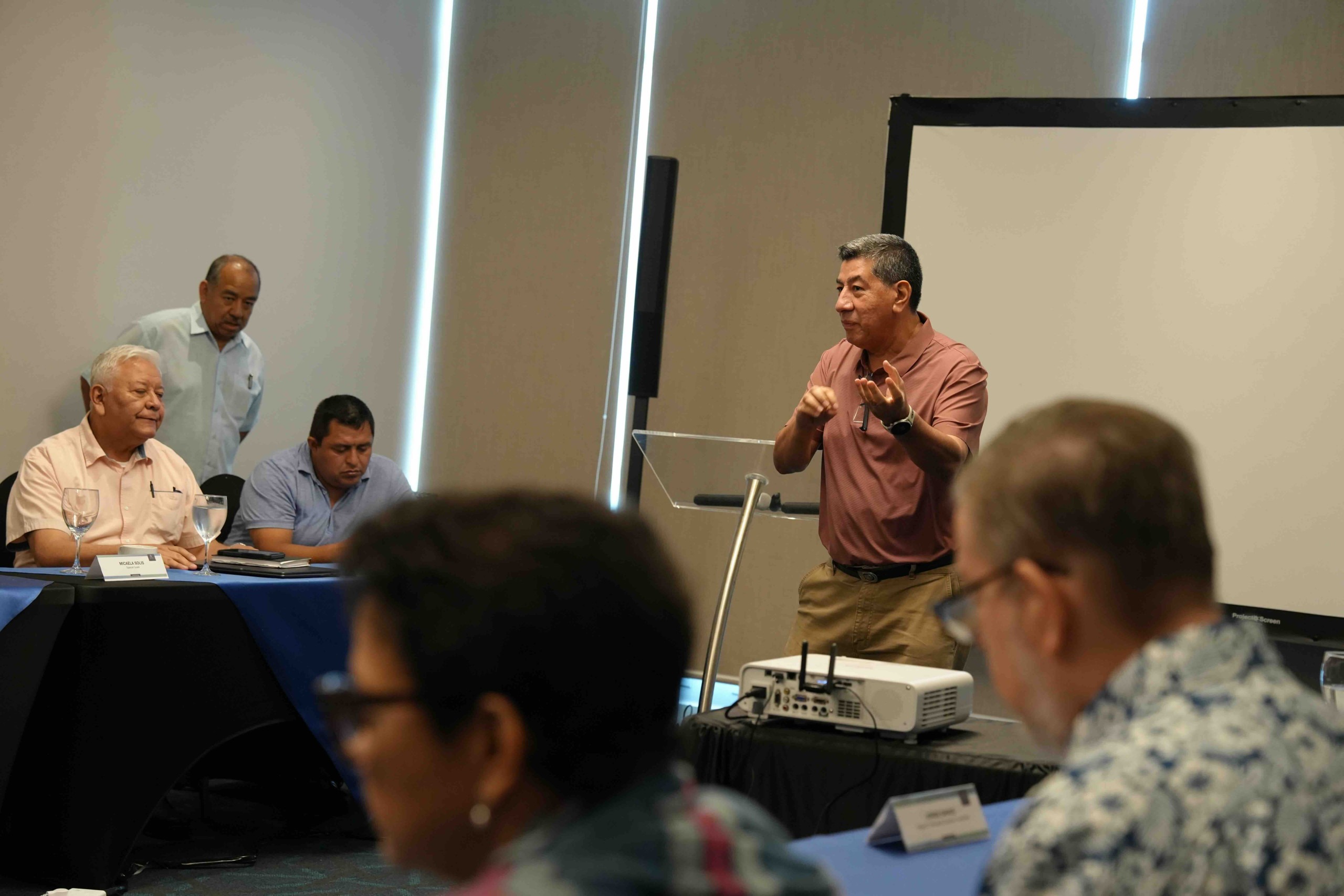
During the first two days, the presidents met with the FSCs, Regional Director Rev. Jimmy De Gouveia, and Regional Theological Education Coordinator Rev. Dr. Jorge Baños.
The purpose of the meetings was to strengthen collaboration between those who lead the region’s missional strategy and the institutions responsible for training pastors and leaders.
“We sat down at the table to talk and explore how we can work more closely together to achieve shared goals, such as increasing the number of students,” De Gouveia explained.
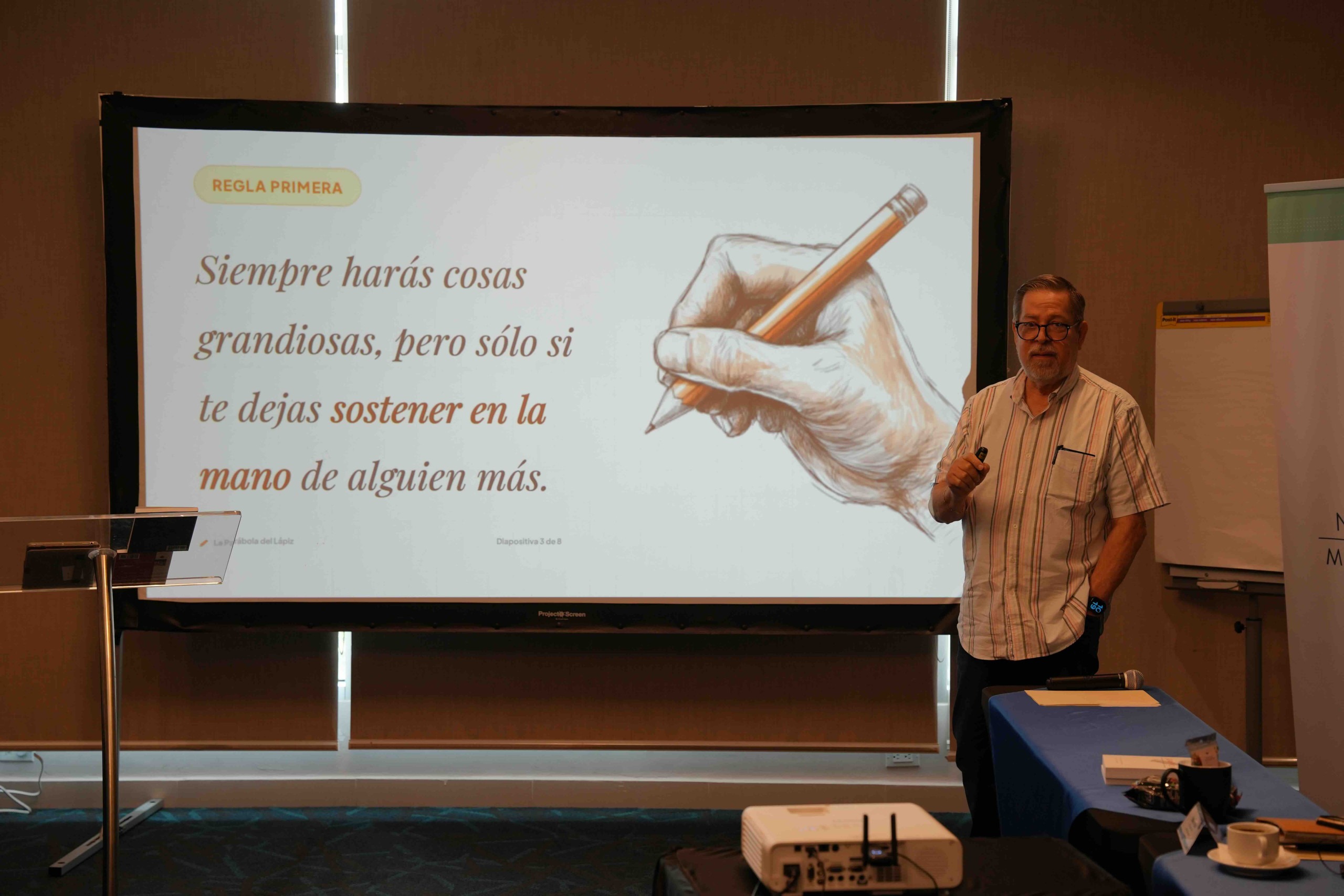
Participants also learned about and discussed the vision of the Mesoamerica Region, assessed the current state of theological education, and considered how to develop it in relevant ways for the years ahead.
“We felt inspired to become an integral part of this movement,” said Rubén Fernández, president of Universidad Nazarena del Continente Americano.
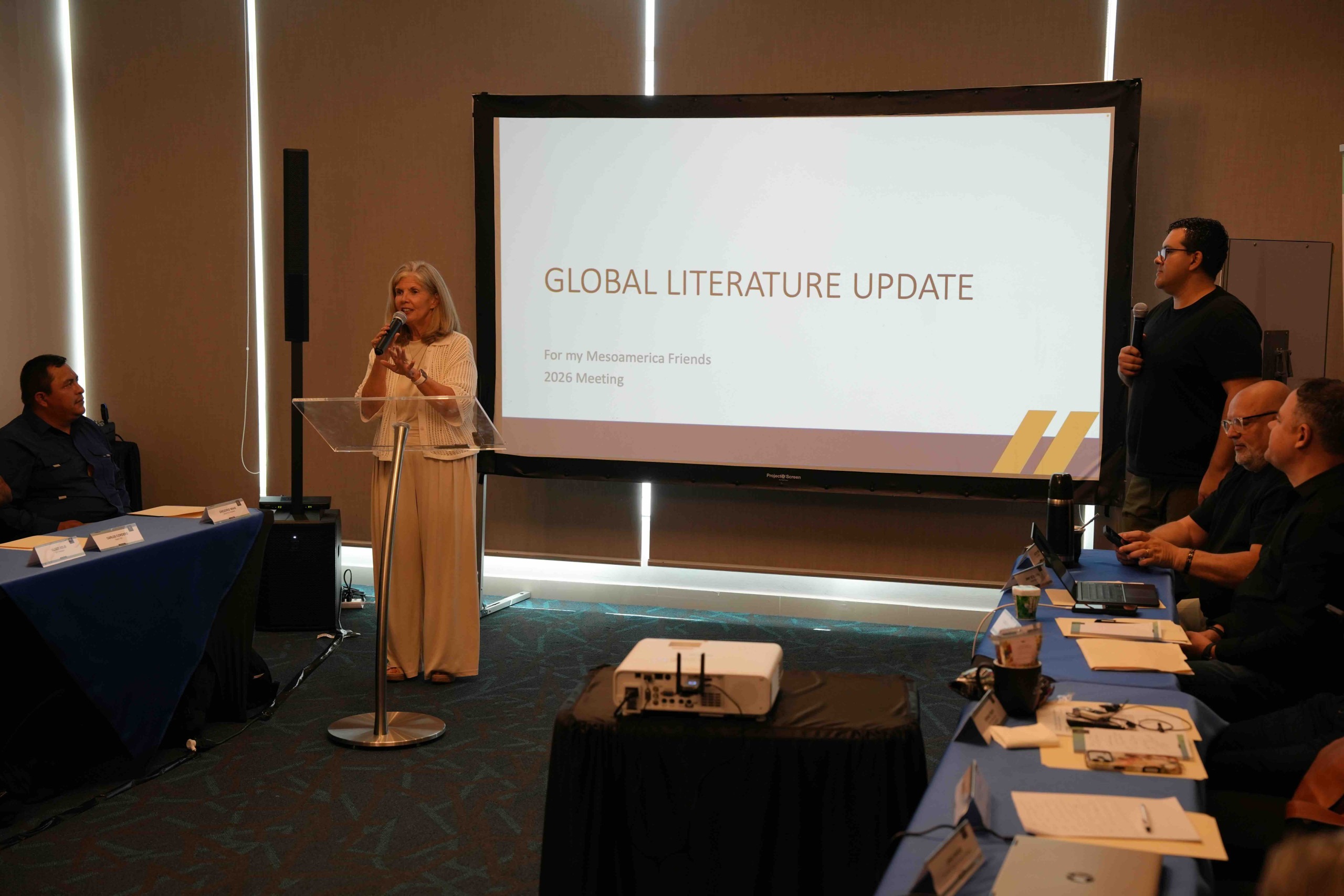
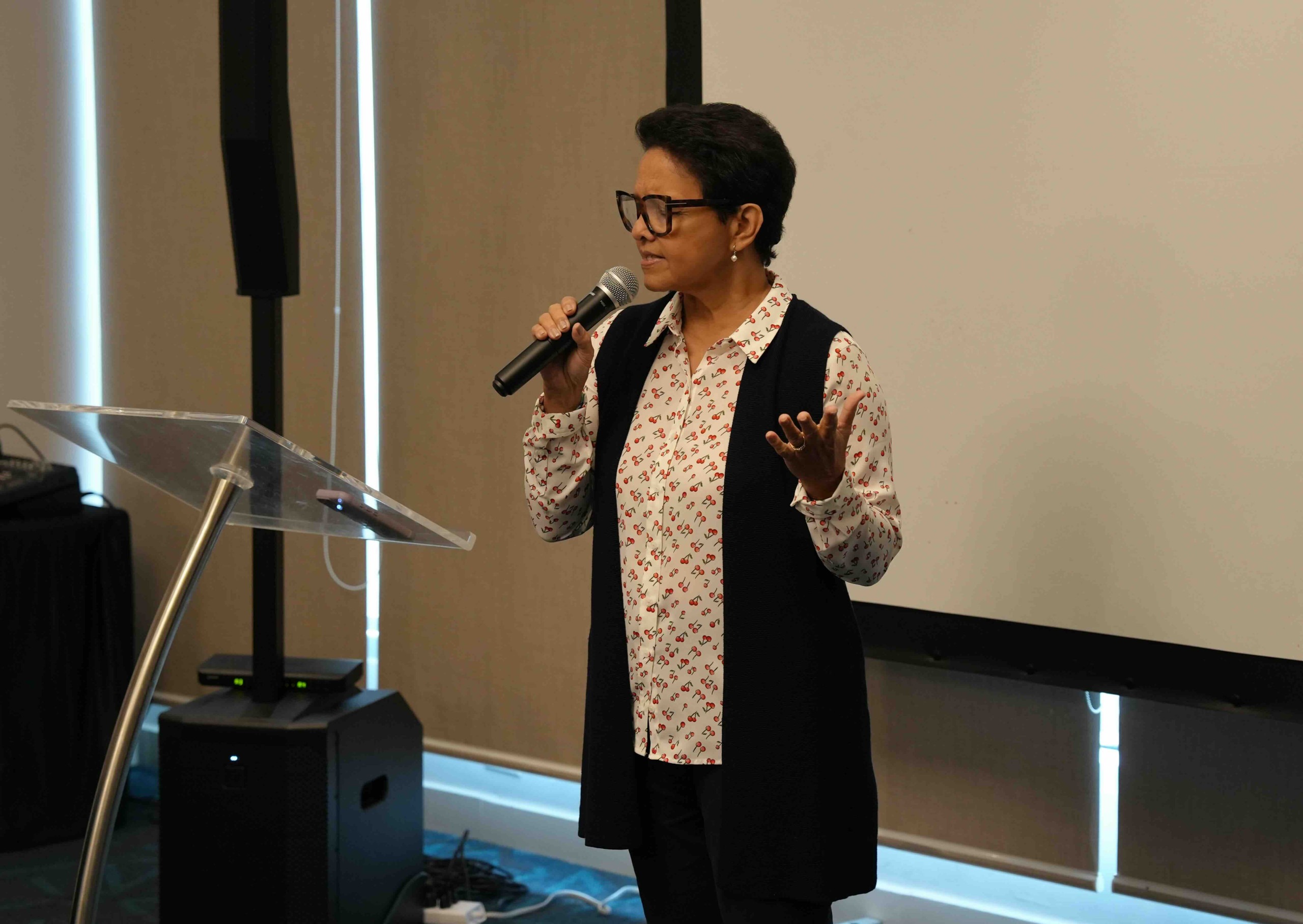
Dr. Bonnie Perry, general editor of the Church of the Nazarene and editor-in-chief of Holiness Today, presented initiatives to expand access to Nazarene literature in Spanish and French. These include translating theological, biblical, and discipleship resources, as well as developing and promoting writers from the region.
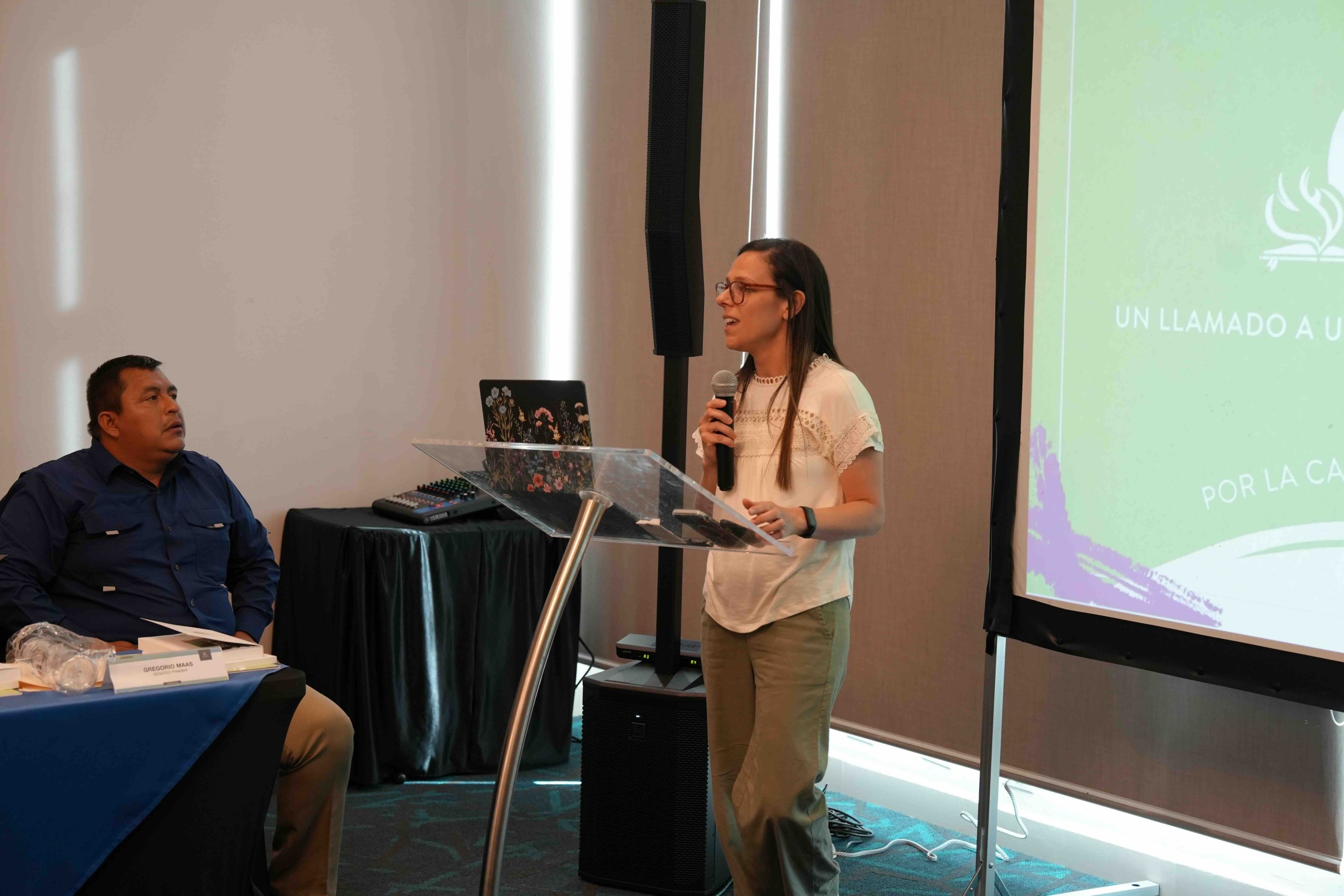
Erika Chaves, regional missionary mobilization coordinator, also shared opportunities for theological institutions to collaborate in preparing and mobilizing a new generation of missionaries through the global movement The Cause.
“Theological education is vital, and its success depends on collaborative work. The experience in Panama was a model that should be repeated and replicated,” said Rev. Carlos Cordero, North Field Strategy Coordinator.
A Time for Rest and Renewal
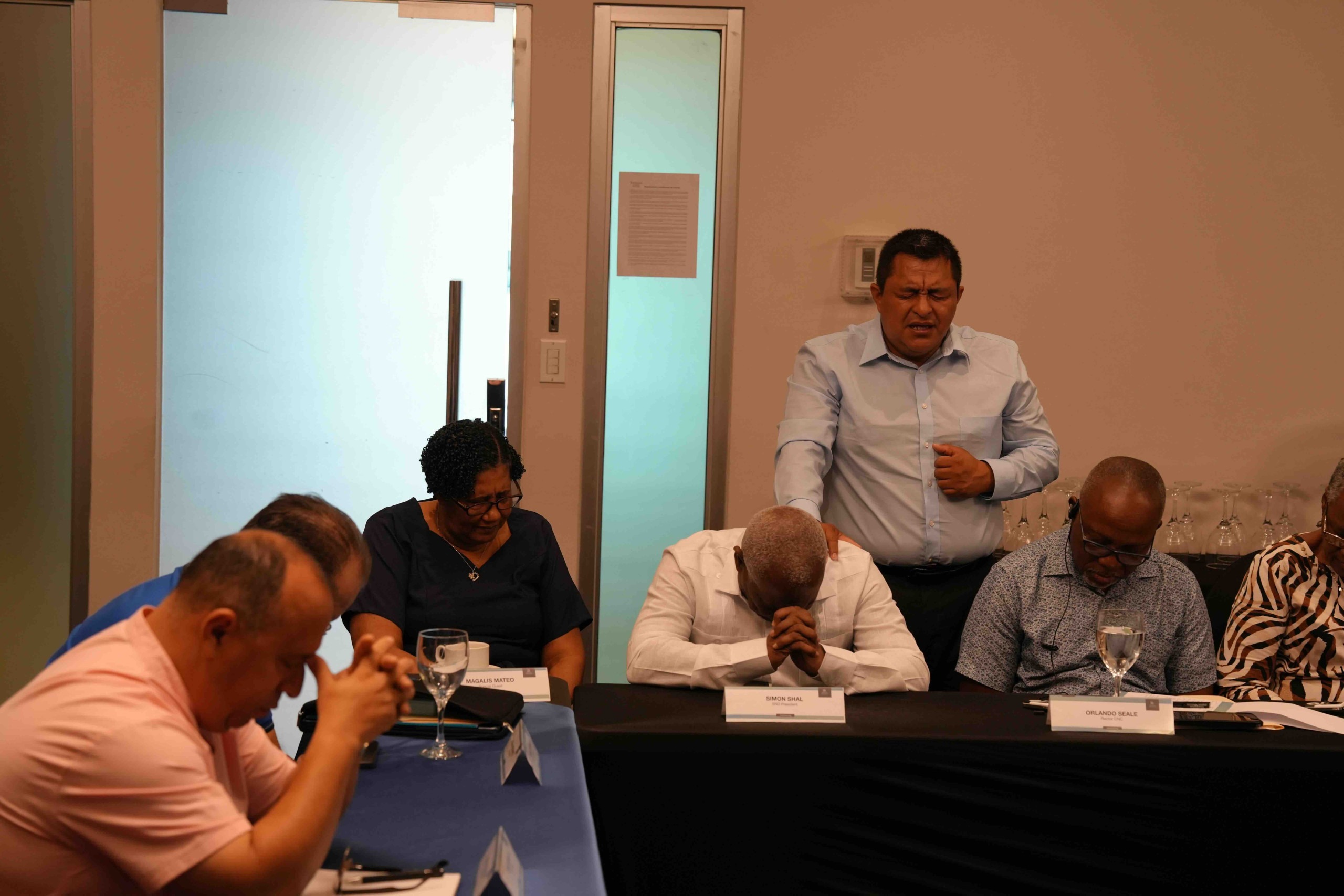
After the meetings, a spiritual retreat was held on July 1 and 2 for the presidents and their spouses, focused on rest, worship, fellowship, and holistic care.
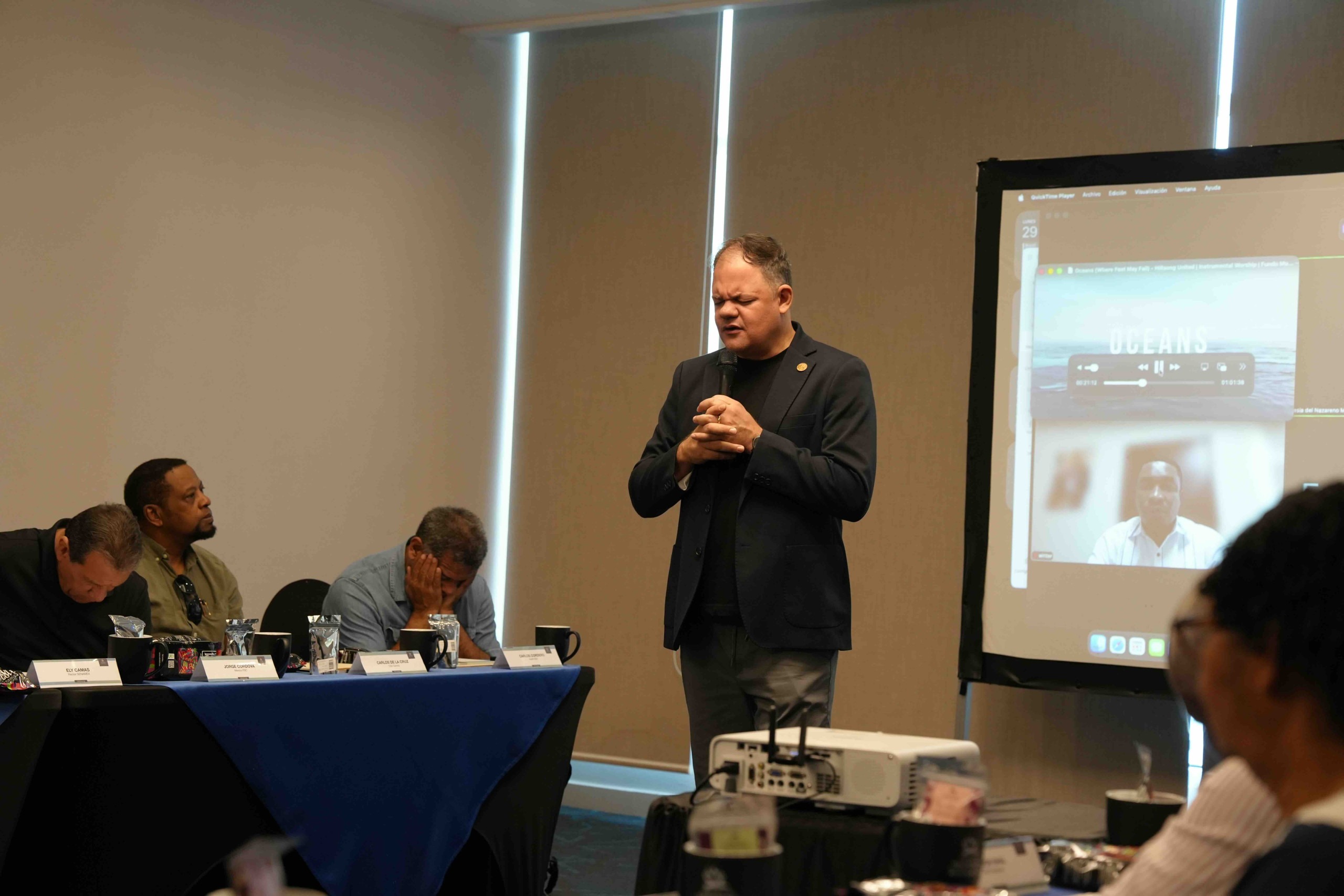
Samuel Pérez Rivera presented the topic “Ministerial Stress and Physical, Emotional, Relational, and Spiritual Exhaustion,” while Arminda Rivero led the times of worship. The regional director also shared a biblical reflection during one of the devotional times.
“At the presidents’ retreat, we were challenged in our spiritual lives not only to care for our relationship with God, but also for our physical and emotional well-being. It was also a time to reflect on the responsibility we carry in training new ministers—people of holy character who are passionate about evangelism,” said Ely Camas, president of IDNMS, Mexico.
Pedro Urgellés, president of SETENAC in Cuba, noted that the retreat allowed them to enjoy much-needed rest and reflect on their spiritual, physical, and professional lives.
The activities strengthened the relationship between the regional strategy and theological education institutions and renewed the commitment to continue training leaders equipped to serve the mission of the Church in Mesoamerica.
Sources: Rev. Dr. Jorge Baños, regional theological education coordinator, and Rev. Jimmy De Gouveia, Mesoamerica regional director.